|
|
|
|
|
|
|
|
September 26, 2026
Dear Planetarium and Space Club Member,
|
|
|
|
|
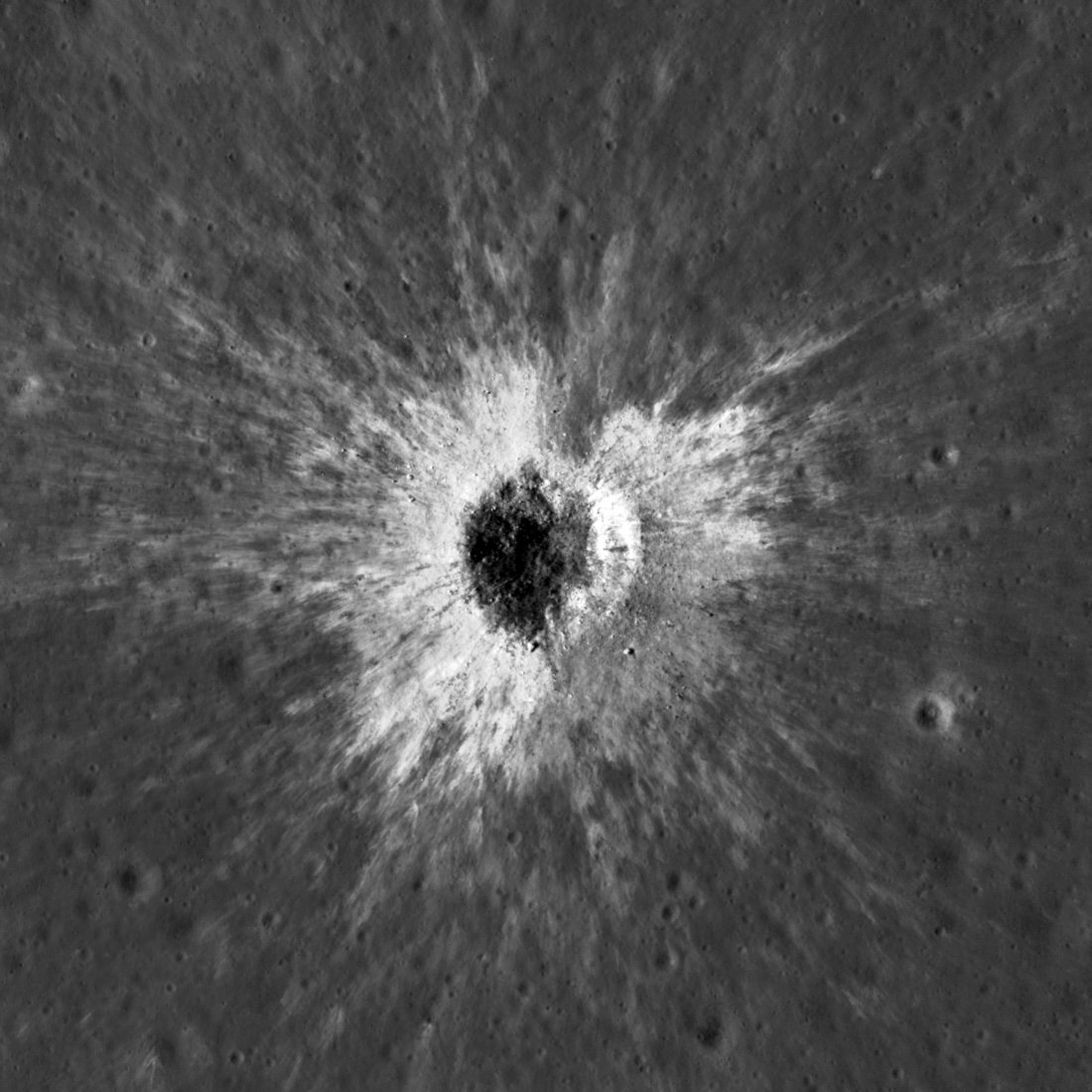
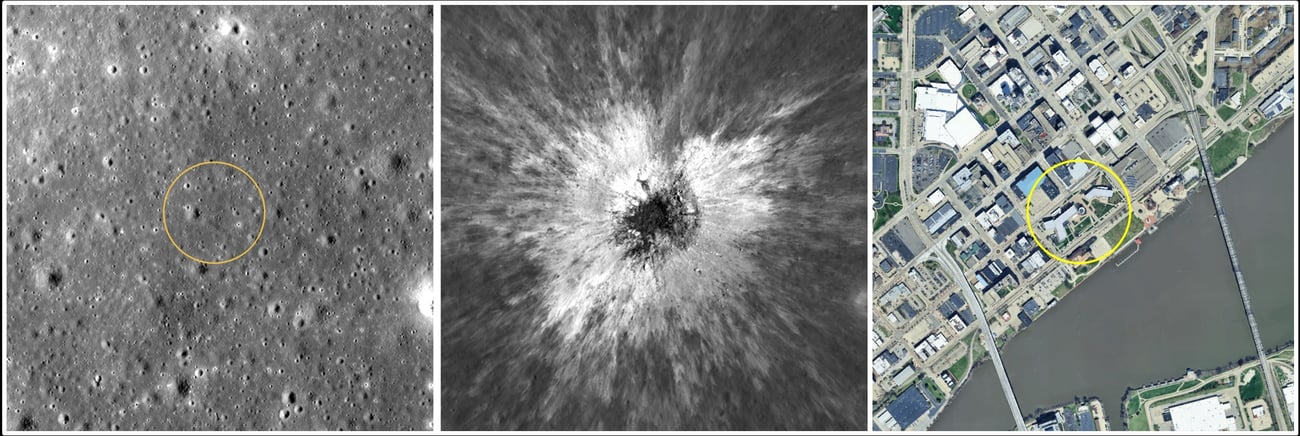
Something the size of the Dome Planetarium must have crashed into the Moon sometime between April 11 and May 22, 2024, because a photo taken on May 22, 2024, by NASA’s Lunar Reconnaissance Orbiter (LRO) reveals a 728-foot-wide crater that is completely absent in the photo from April 11, 2024, of the same area.
|
|
|
|
|
|
|
|
|
|
|
|
|
Before and after pictures of the same area of the Moon from LRO, both with the same field-of-view and seen at the same scale. Peoria Riverfront Museum and its surroundings are also shown at the same scale in a screen shot from Google Earth, with a yellow circle of the same radius as the new crater encircling PRM and CVC. The new crater is 141 feet deep. Credit: NASA/GSFC/Intuitive Machines
|
|
|
|
|
|
|
|
|
|
|
|
|
|
|
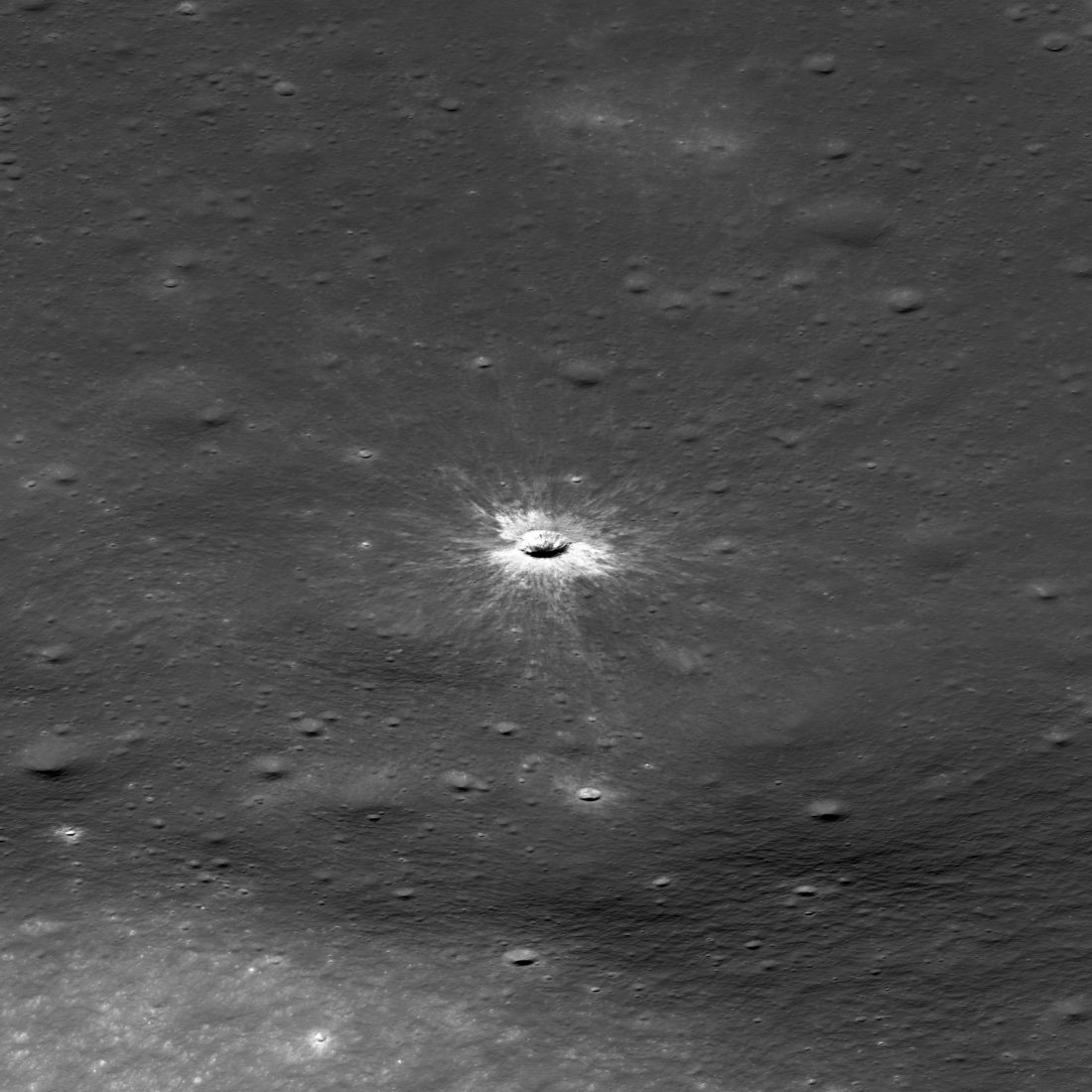
A wider, oblique view of the 2-year-old crater. Credit: NASA/GSFC/Intuitive Machines.
|
|
|
|
|
In other space news, ESA’s Juice spacecraft is scheduled to fly by Earth on Monday, September 28, 2026, for a gravity assist. It previously flew past Venus in 2025 and Earth in 2024, after launching in 2023. One more gravity assist from our planet in 2029 will give it enough oomph to finally reach Jupiter in 2031.
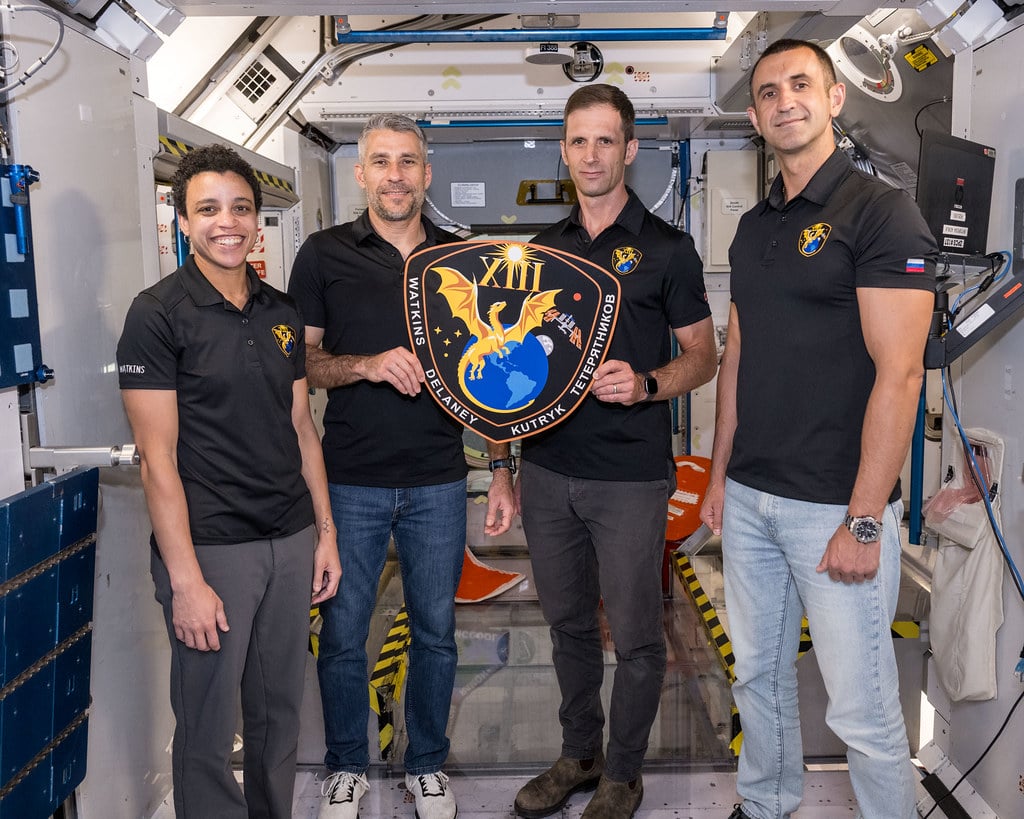
And SpaceX is currently planning to launch the next crew of astronauts to the International Space Station aboard their Dragon spacecraft on Thursday, October 1, 2026, at 10:10 a.m. (Central). You can watch the launch livestreamed on NASA’s website, nasa.gov.
|
|
|
|
|
|
|
|
|
|
|
|
|
|
|
|
|
Nick Rae
Senior Planetarium Educator
|
|
|
|
|
If you know someone who would enjoy our Planetarium and Space Newsletter, invite them to sign up here.
|
|
|
|
|
|
|
|
|
|
Earn points with your Achievement Passport for every planetarium show. Check out the World’s Most Advanced
Planetarium System.
|
|
|
|
|
|
|
|
|
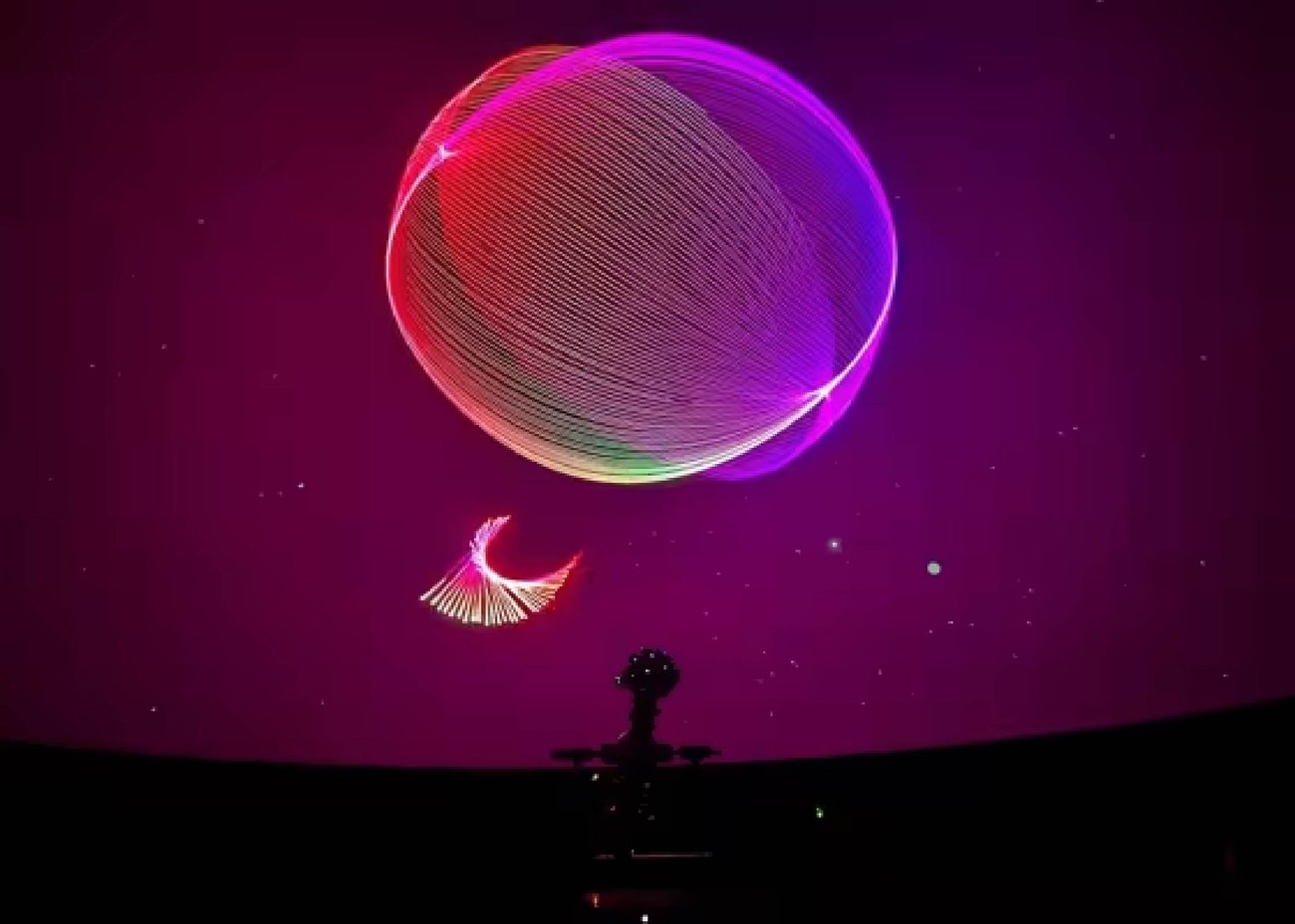
LASER LIGHT NIGHTS
Saturday, September 26, 2026
Get tickets and more info here.
That ’80s Laser Show | 6 p.m.
Laser Aerosmith | 7:15 p.m.
Laser Zeppelin: Whole Lotta Led | 8:30 p.m.
Earn 10 Achievement Passport points per show, 20 for museum members.
Planetarium shows are sponsored by Visionary Society and Planetarium and Science Club.
|
|
|
|
|
|
|
|
|
|
|
|
|
|
|
|
|
|
|
|
|
|
|
|
|